81 Years of the Nuclear Age: Remembering Hiroshima and Nagasaki
A set of 30 posters, donated by the Hiroshima Peace Memorial Museum (HPMM), are available as a learning resource to Ottawa area high
Ontario History and Social Science Teachers' Association / Association des enseignant.es des sciences humaines de l'Ontario
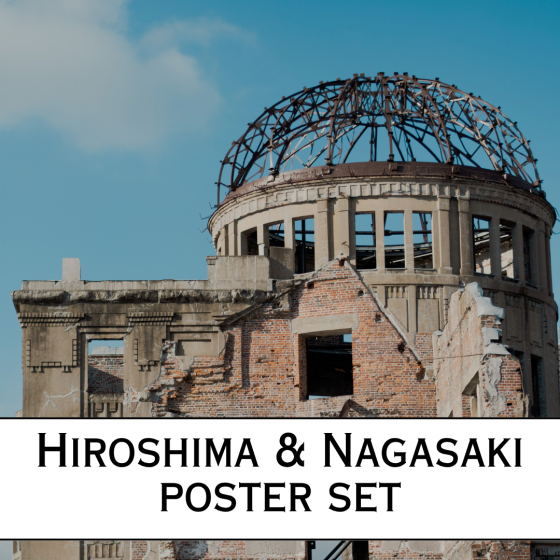
A set of 30 posters, donated by the Hiroshima Peace Memorial Museum (HPMM), are available as a learning resource to Ottawa area high
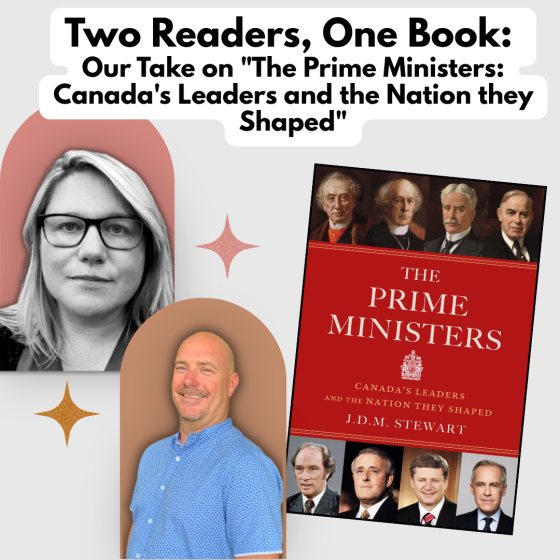
A great book often leaves room for very different interpretations. In this dual review, OHASSTA’s Vice Presidents, Butch Rickeard and Meghan Cameron dive

For the past few years I have been a Diffit Ambassador. Diffit is an AI-powered teaching tool that helps educators quickly create differentiated,
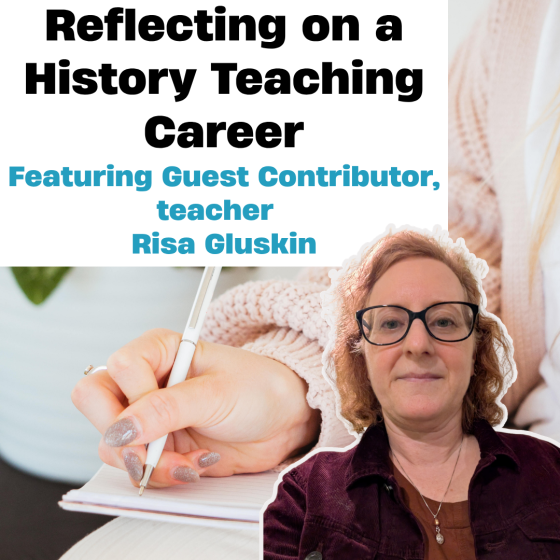
By this time, I’d normally be back at school. However, here I am at home, not stressing too much about the imminent post-Labour
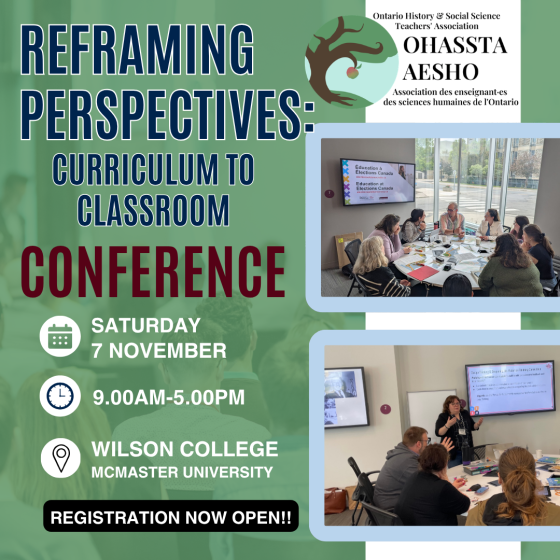
This year’s conference focuses on bridging curriculum design with effective classroom practice and is centered around 3 pillars: Innovative and effective strategies that

With a new school year starting, I wanted to share an opening activity that can be used in your law classroom. While I’d
If cognition defines what we want students to think, and observation determines how we make that thinking visible, then interpretation is where we
We’ve all had that moment in class: A student raises their hand to ask about something troubling they saw online, or connects a
We can have a clear, well-articulated model of historical thinking. We can name the moves: sourcing, contextualization, corroboration, inference. We can even break
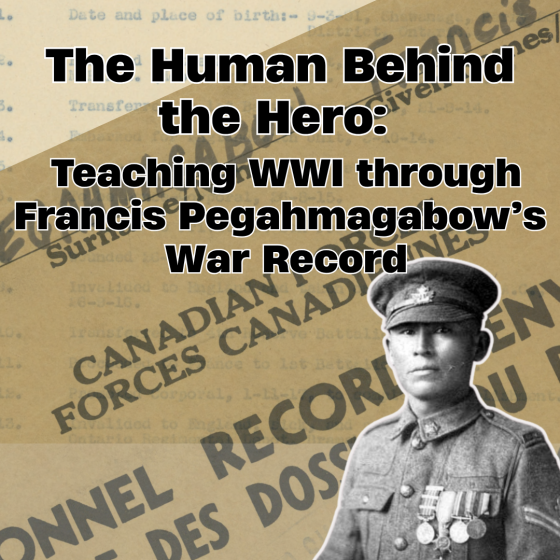
The war record of First World War soldiers can provide unique insight into the experiences of soldiers. I’ve previously written about how I
Any strong assessment begins with a clear model of cognition. In history education, that means moving beyond broad labels or instructions—like “analyze the
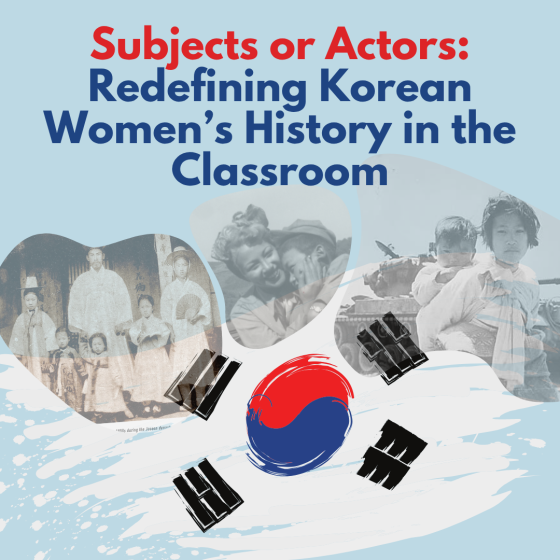
Increasingly, teachers are asked to develop lesson plans and resources that engage students in critical thinking, analysing multiple perspectives, encourage student voice and