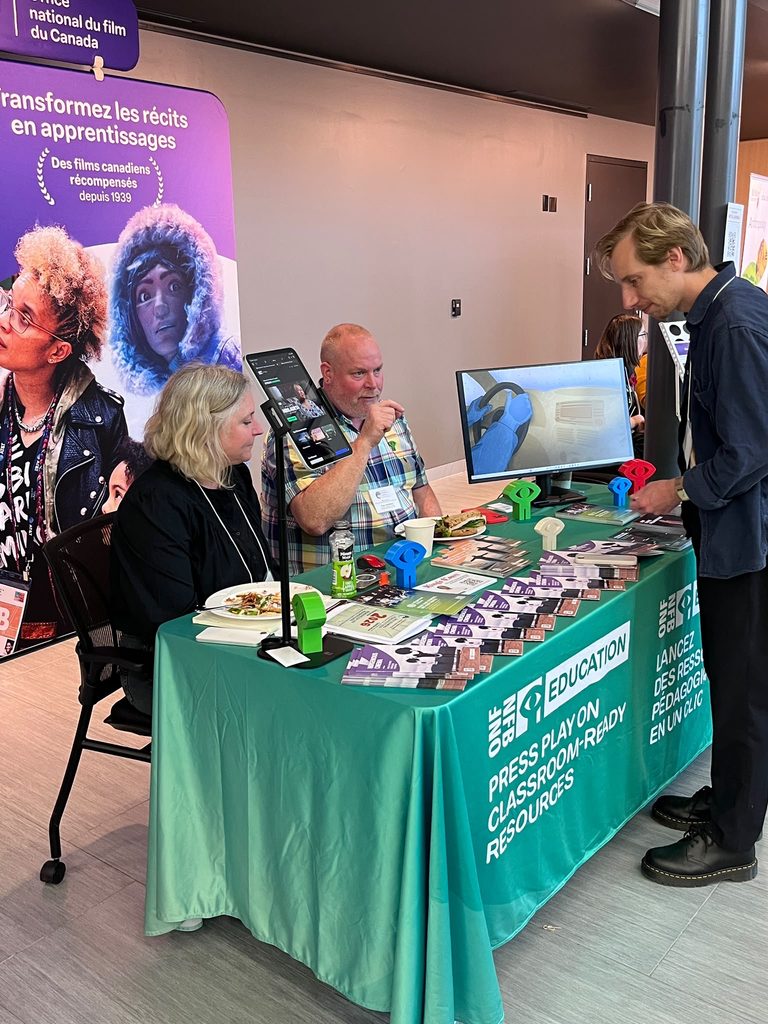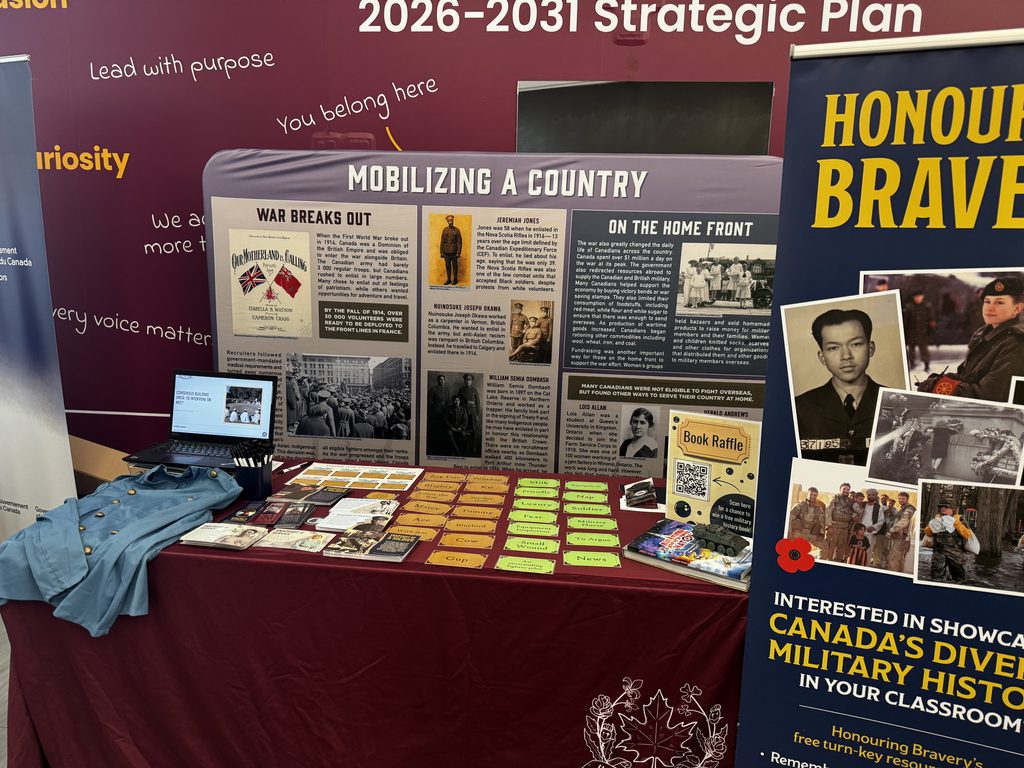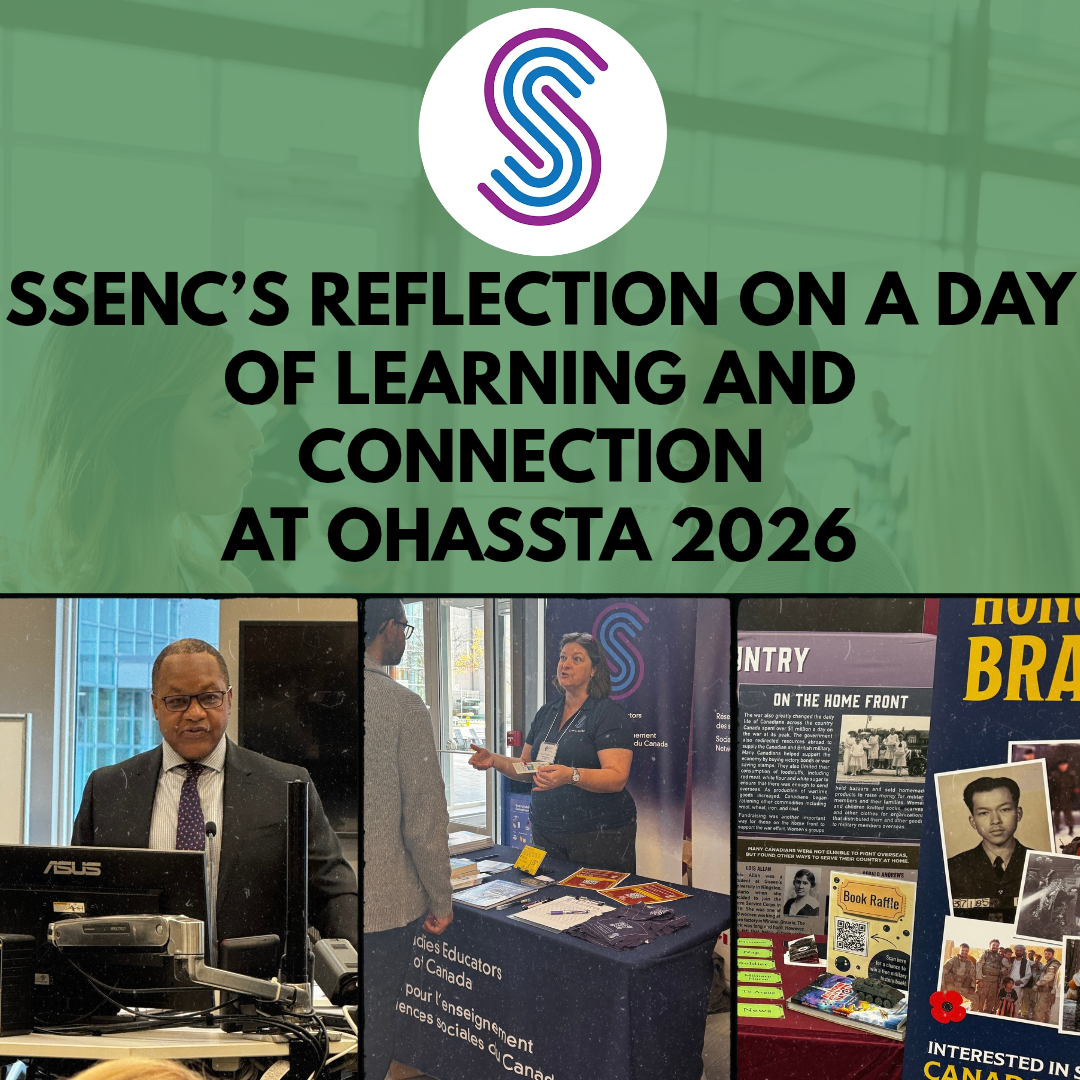
Social Studies and History educators from across Ontario gathered on November 7th at the OHASSTA conference to participate in some very engaging sessions previewing new resources to address recent curriculum revisions. It was a great opportunity for collaboration and connection with fellow educators as well as many excellent exhibitors such as SSENC, NFB, TC2, Art Gallery of Hamilton, Civix, Honouring Bravery, OJEN, and many more.
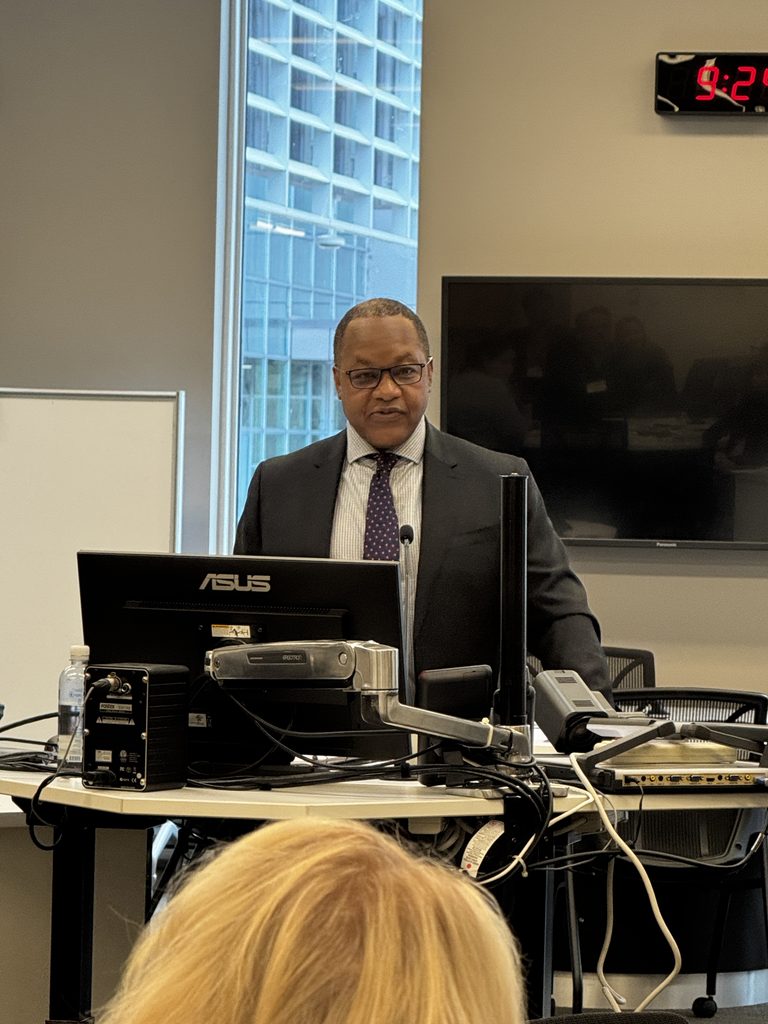
The Honourable Michael Tulloch, Chief Justice of Ontario, delivered the opening keynote, bringing his extensive experience in justice, equity, and public service. His address to the participants was candid at times, sharing personal experiences but more importantly a reminder that Canada is a great country with a strong democracy that should be safeguarded and strengthened through civic action and citizen participation. When asked what 3 learnings Justice Tulloch would prioritize if he were a Civics teacher today, his response was that students should think critically about what it means to be a citizen and more importantly, to be a Canadian citizen; students should ask themselves they can strengthen existing institutions and their communities; students should consider how they can contribute to make this country better.
Dr. Natasha Henry-Dixon, historian of Black Canada at York University, delivered the closing plenary, bringing her expertise in uncovering, preserving, and sharing Black Canadian histories through her extensive work in the field. Her very exciting exhibition Illuminating Black: Shining Light on the Black Presence in Canada will launch in February 2026 at the Archives of Ontario and promises to reframe perspectives on Black History. A virtual exhibit is also available for all teachers across Canada.
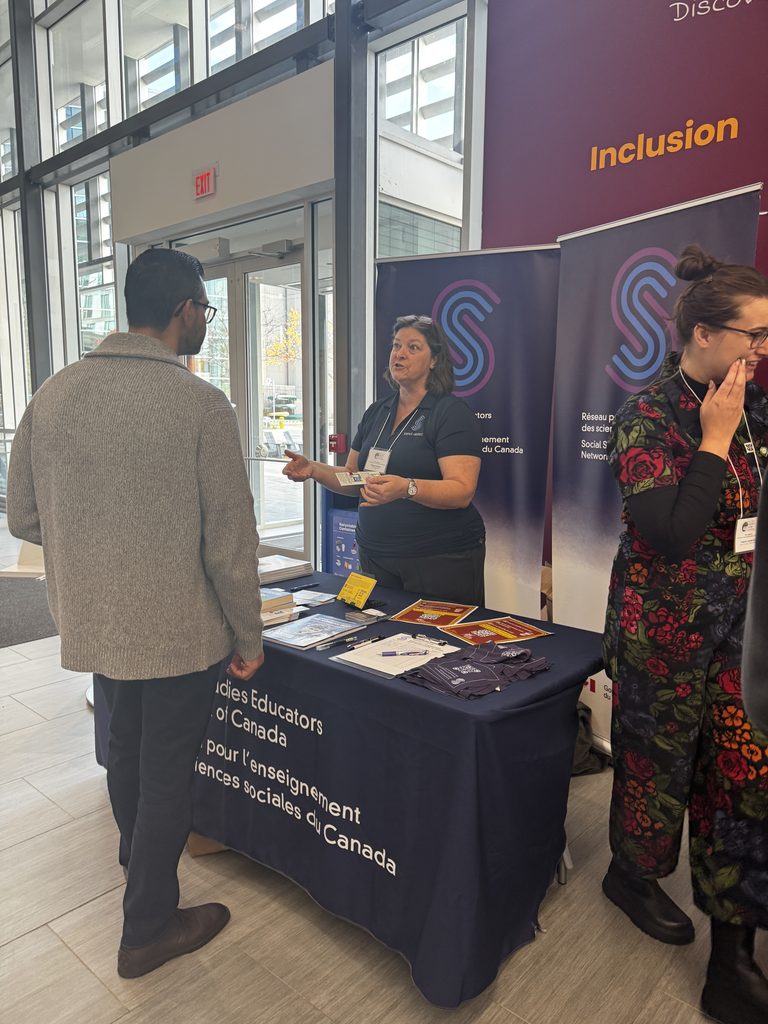
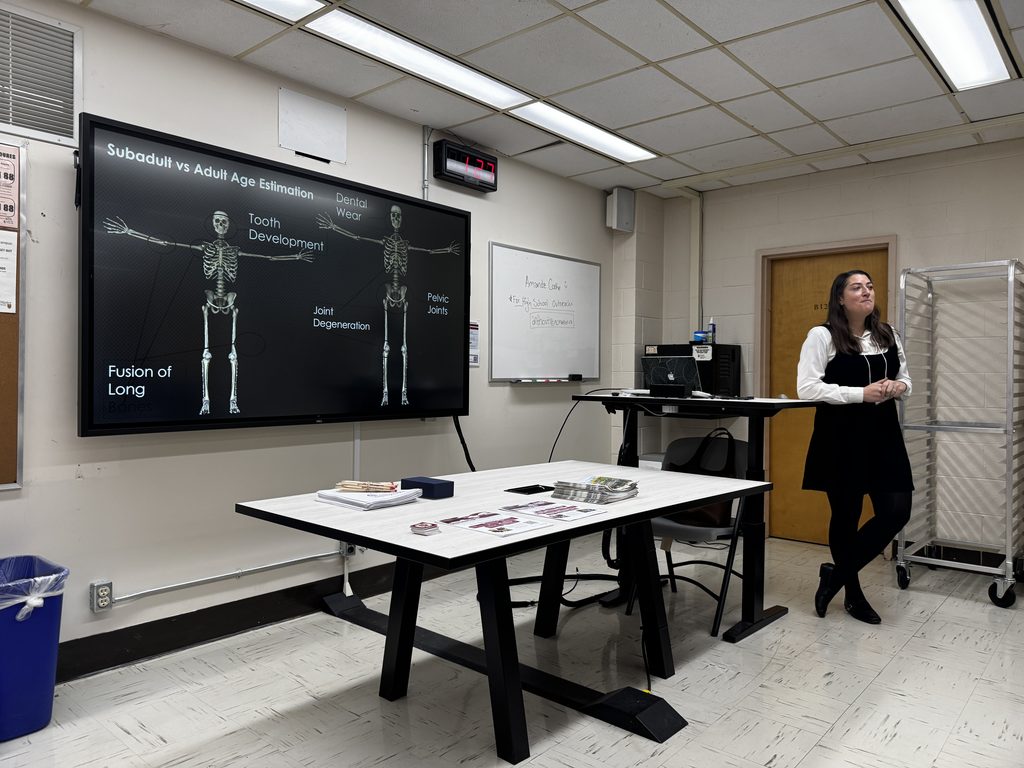
SSENC representative Rachel Collishaw was on hand to field questions about SSENC’s resources and continue to grow partnerships between SSENC and OHASSTA and by extension, Ontario teachers. Standout sessions focused on expanding historical perspectives, encouraging civic engagement and active citizenship, and exploring innovative classroom practices. Teachers learned about Holocaust education from the Montreal Holocaust Museum, youth civic engagement such as Children First Canada’s Youth Impact Lab and Civix’s upcoming Civic Action microgrants program, biological anthropology workshops offered at McMaster, and many other classroom resources. Opportunities to network and exchange teaching strategies are central to professional development and SSENC was very happy to be a part of this exchange in Ontario this fall.