Chinese and Japanese Canadians have been part of Canada for a long time and continue to be. Learn about how racial prejudice affected basic citizenship rights that we now take for granted.
Enfranchisement was won by the need to demonstrate loyalty through military service – if a man was good enough to die for Canada, then he was good enough to be treated equally, or so that was the hope.
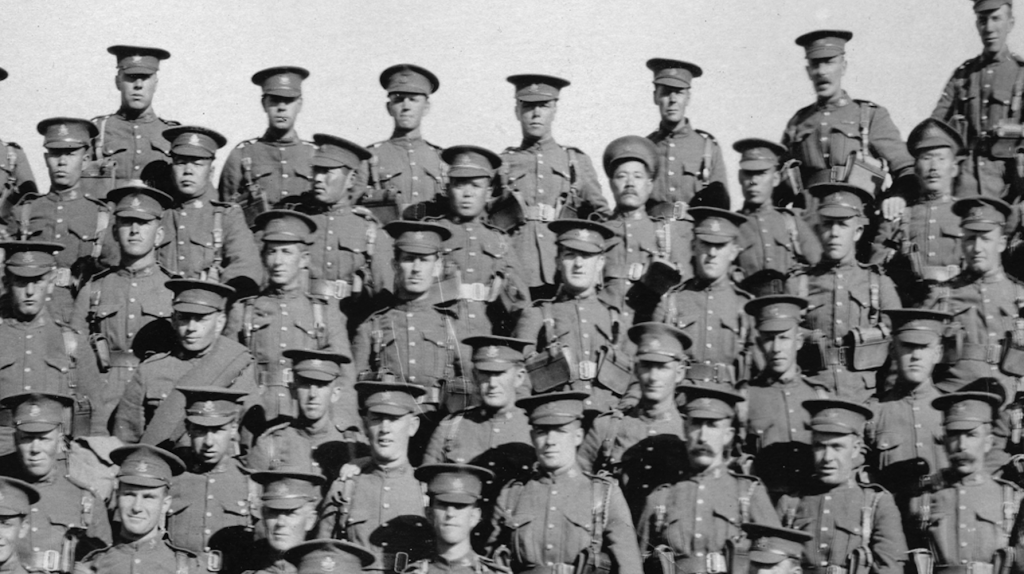
Private Sentaro Omoto’s case is a classic one. Travelling to Alberta to join the army because British Columbia rejected him and his comrades, he ended up serving proudly with Calgary’s famous “Fighting”10th Battalion. Omoto was badly injured at the battle of Hill 70. He was a member of Legion Branch No. 9, chartered in 1926 to be a voice for the returned soldiers. Their first order of business was to lobby the provincial government for the right to vote. He and his fellow soldiers won by a narrow 19-18 vote in 1931 but were told that right would die when they died. That right was given to neither their wives nor their children.
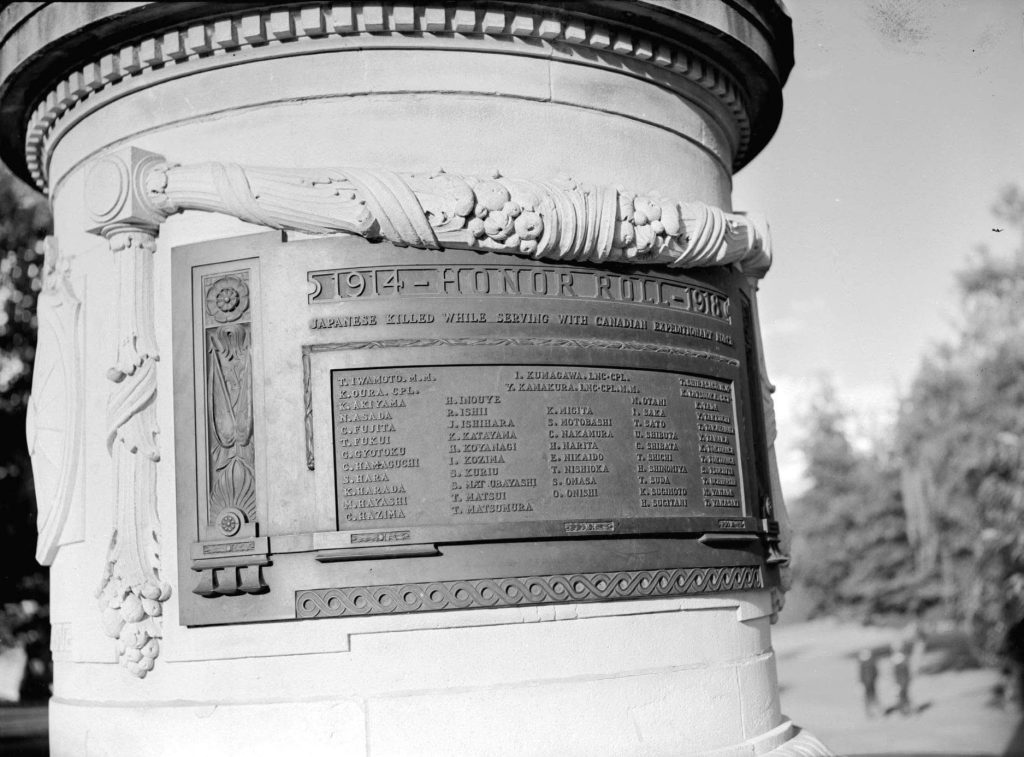
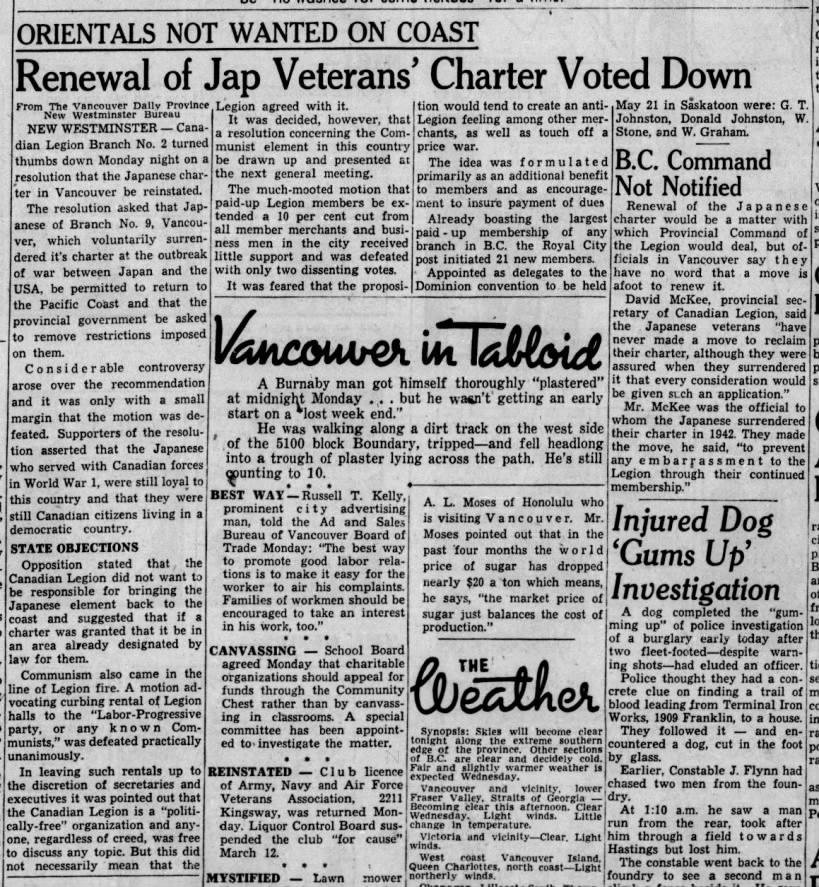
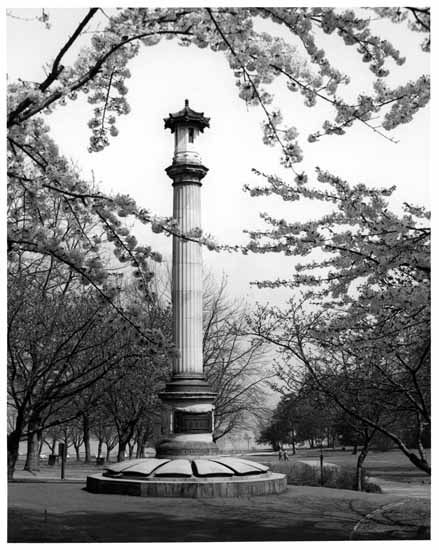
In 1936, a delegation was led by Legion life-time member, Saburo Shinobu, to the unveiling of the Canadian Vimy Memorial, the same year a delegation was sent to Ottawa to champion the franchise for all Japanese Canadians. Unfortunately, almost 23,000 Japanese Canadians within 161 km of the coast of British Columbia, including those with veteran status to Canada were forcibly removed, incarcerated, dispossessed and nearly 4,000 exiled to Japan at war’s end. The ban to return to the coast of BC was lifted on April 1, 1949. As for Private Omoto, he died penniless in 1953 and was cremated, never buried. Debbie made a shocking discovery that his Legion branch had surrendered its charter 1942 – “to prevent any embarrassment to the Legion through its continued membership” – an attempt to renew it in 1948 was voted down. The executive council, therefore could not assist any of their veterans at the time of Omoto’s death. Seventy-three years later, his granddaughter came searching for him and found that his ashes had been abandoned at the Vancouver Buddhist Temple. Now, finally, Pte Omoto will be in his final resting place at Mountain View Cemetery where twenty-one other veterans of the Great War of Japanese heritage already lie. Learn more about his incredible story here:
November 10, 2025 “I Need to Make it Right”
March 18, 2026 “The Family is Indebted”
As for the plight of Legion Branch No. 9, it is rather timely that in 2026, the 100th Anniversary of the Royal Canadian Legion, Canadians can celebrate the return of its charter and resurrection of this branch in the British Columbia/Yukon Command! Stay tuned as history is being made!
Lest we forget.
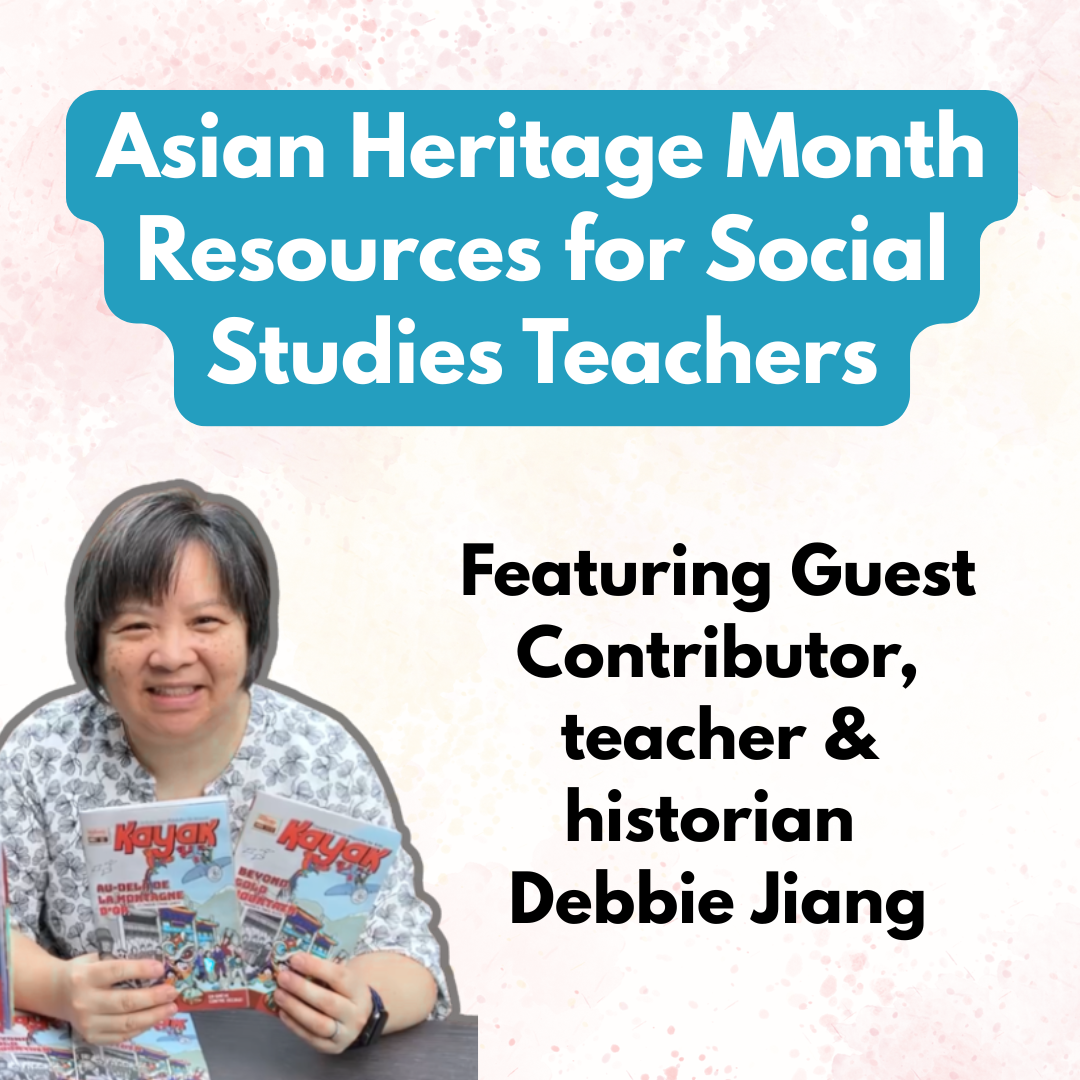
Here are the top four picks for Asian Heritage Month by teacher and historian, Debbie Jiang:
1-Beyond Gold Mountain: Canadians of Chinese Descent [magazine & teachers’ guide] by Debbie Jiang + [Educator’s Guide by Flora Fung & Debbie Jiang]
2-From Head Tax to Hockey Heroes by Debbie Jiang
[magazine article]
3-Japanese Canadian Teaching Resources
[lesson plans] by Japanese Canadian Legacies Society
4-Warrior Spirit: Japanese Canadian War Veterans
[web exhibition] by Nikkei National Museum & Cultural Centre