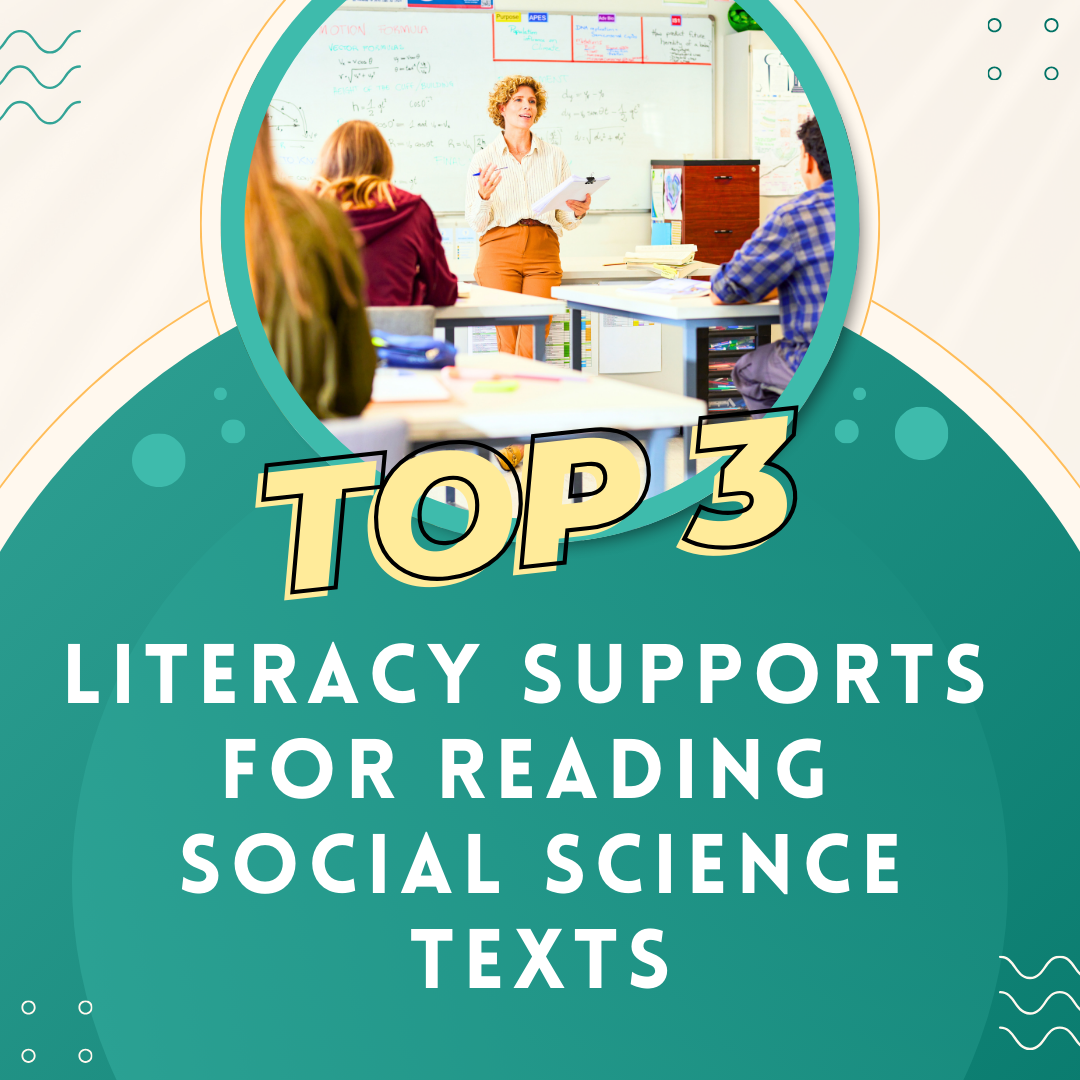
Sometimes literacy support doesn’t always feel exactly right for the social science classroom. Strategies like code the text or Frayer models aren’t always exactly right for students trying to make sense of challenging texts in social science courses like Introduction to Anthropology, Psychology and Sociology.
I had the privilege of leading a group of thoughtful educators through a collaborative learning around moderating student work. The team determined that they wanted to support learners in their college level courses and in French immersion, where both groups needed extra support with language and decoding social science texts.
We developed social-science-specific strategies and protocols to help our students. We developed success criteria to help us assess how well students were using the strategies and we asked students for their input too. We revised the strategies based on classroom experience and student feedback and invited our colleagues to try them too.
While we tried a lot of things, the top three strategies were variations of well-known strategies with adjustments to better suit the kinds of learning in the social science classroom:
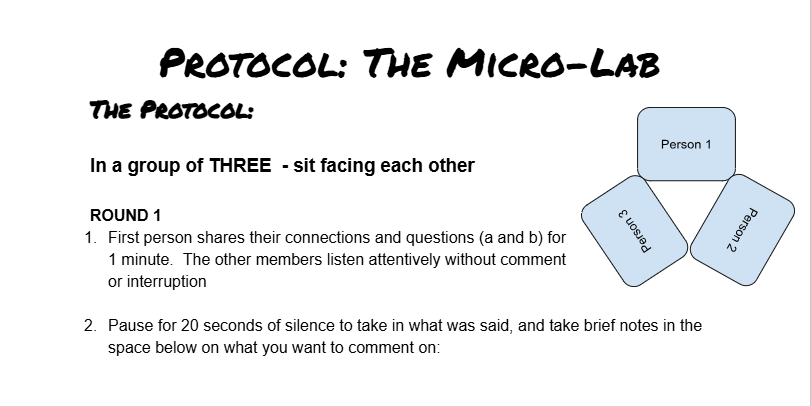
#3 – Micro-lab protocol
Technically a reading strategy helps students to decode and make sense of a written text, while a protocol is a structure for a discussion.
The simplest talk protocol that I love is to invite students to turn and talk to each other, rather than having a one-way conversation between me and a handful of students.
A good protocol forces students to listen more carefully to each other, and provides space for all participants to explain their thinking to understand a text, their own thoughts, or reflect on learning. It can democratize the classroom and deepen thinking in a meaningful way.
We found that students in French immersion and in the College level classes benefitted from time before the micro-lab protocol to prepare what they might say. Both groups appreciated the opportunity to deepen their understanding through discussion.
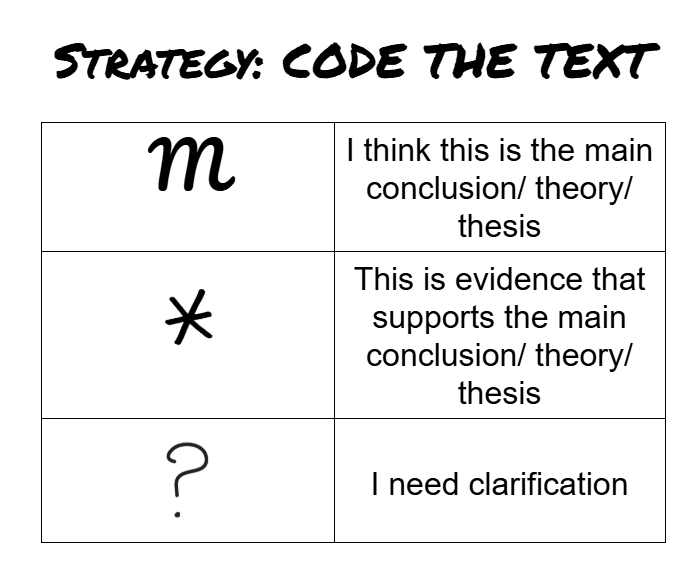
#2 – Code the text
We had seen lots of examples of this strategy designed for elementary students that seemed inappropriate for our students in grade 11. We also felt that some of the codes were not relevant to the social science classroom. We also initially had too many codes that students found confusing.
After some trial and error, we found that this coding system was most helpful for students in decoding disciplinary texts. This strategy is so simple and portable across lots of social science and other subjects that once you teach students to code the text in this way, you can easily see their reading comprehension on the page and better support their learning.
#1 – Frayer model
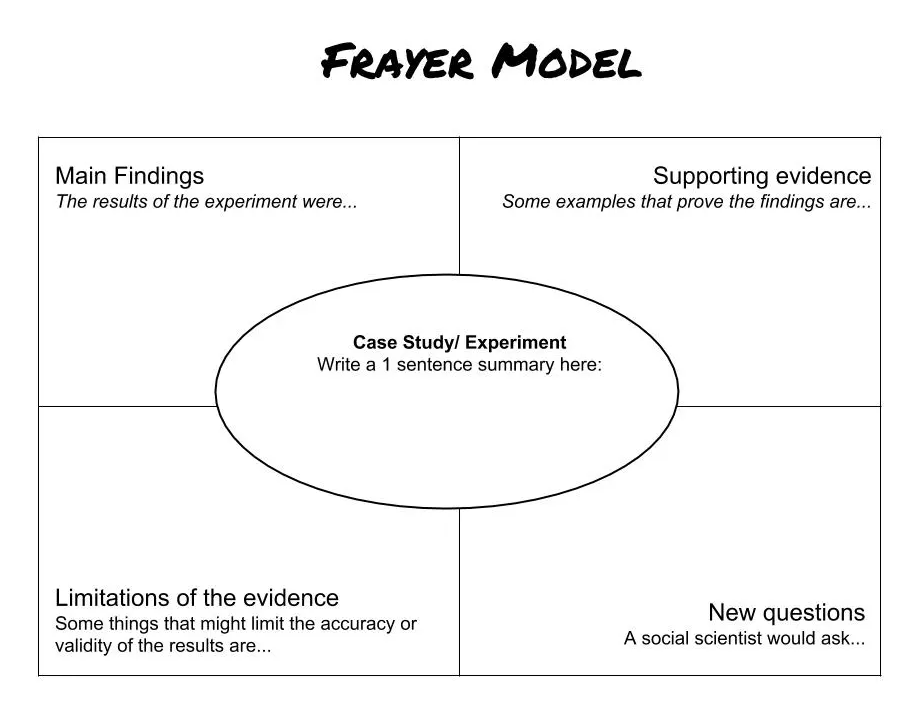
We all know about Frayer models to help students define a word or concept. This is always helpful, but we wanted to take it further and help students unpack the many kinds of case studies, theories and experiments that they encounter in Anthropology, Psychology and Sociology throughout the course.
In one classroom, this modified Frayer model was so well-received that students wanted to use it for EVERY reading or text that they encountered! They found it extremely helpful to have a consistent framework that helped them to truly understand and decode challenging texts, rather than a new set of comprehension questions for each text that lacked purpose and context.
All of these disciplinary literacy supports are here on the OHASSTA website in both French and English – where you can try them out and adapt them for your classroom!
Check out OHASSTA’s other social science resources to get inspired for the new semester!