Here are some resources you can use to support your teaching about Treaties in your classes!
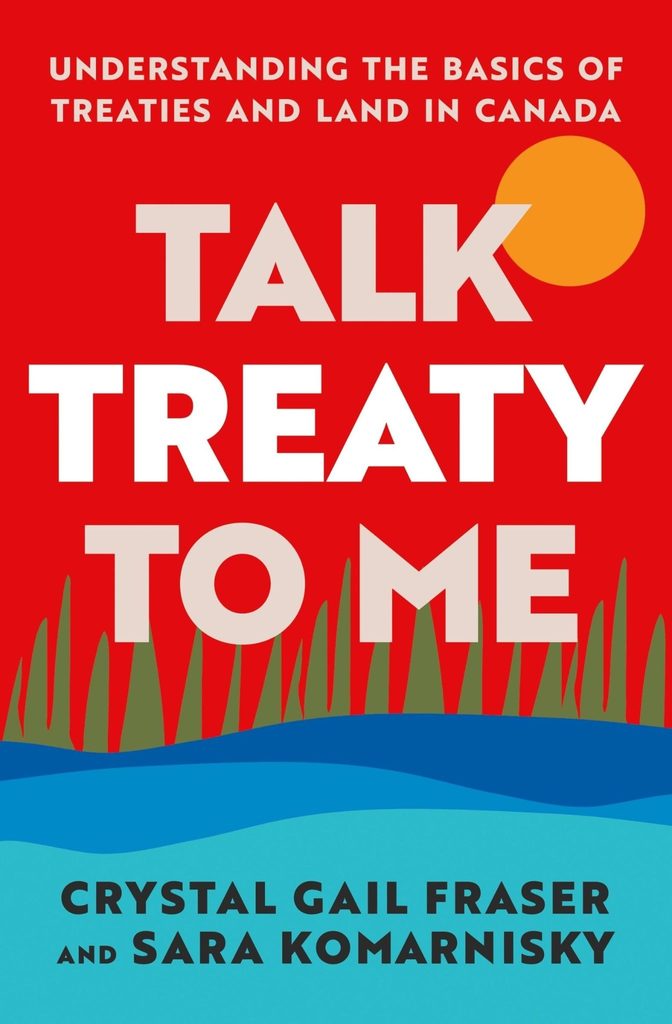
Authors: Crystal Gail Fraser, Sara Komarnisky
This book was written by two academics – one Gwichyà Gwich’in and the other settler – serves as a beginner’s guide to treaties in Canada. This book is an excellent resource to use as professional development and also content in our classrooms. It includes a quick-reference timeline, maps, and black-and-white photographs throughout, Talk Treaty to Me concludes with a call to action and specific, tangible steps that all of us can take every day to support truth and reconciliation. It is highly recommended by teachers and scholars alike, including Maria Vamvalis, author of Courageous Inquiry.
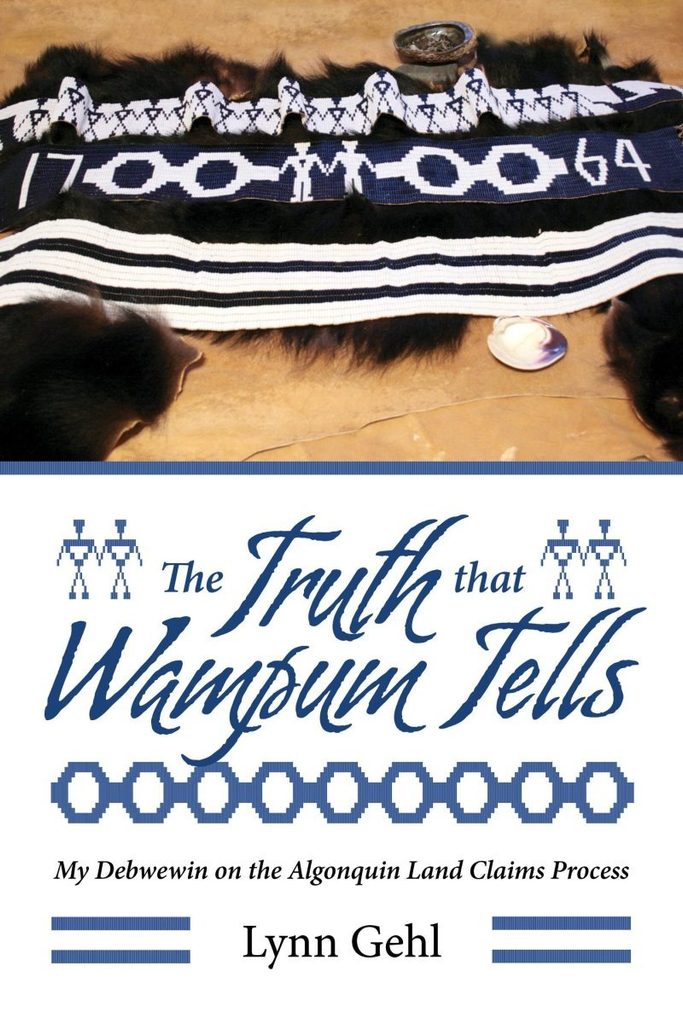
- Book: The Truth that Wampum Tells (2014).
Author: Lynn Gehl
This book was written by Algonquin Anishinaabe-kwe scholar Lynn Gehl. It can be used directly in senior law, history or politics classrooms. In commemoration of the 250th anniversary of the Treaty at Niagara, The book offers readers a first-ever insider analysis of the contemporary land claims and self-government process in Canada. Incorporating an analysis of traditional wampum diplomacy, the author argues that despite Canada’s constitutional beginnings, first codified in the 1763 Royal Proclamation and ratified during the 1764 Treaty at Niagara, Canada continues to deny the Algonquin Anishinaabeg their right to land and resources, their right to live as a sovereign nation and consequently their ability to live mino-pimadiziwin (the good life).
- Online Educator Resource: Indigenous Voices (2026).
Produced by the National Film Board of Canada in consultation with various Indigenous knowledge-keepers from across Turtle Island.
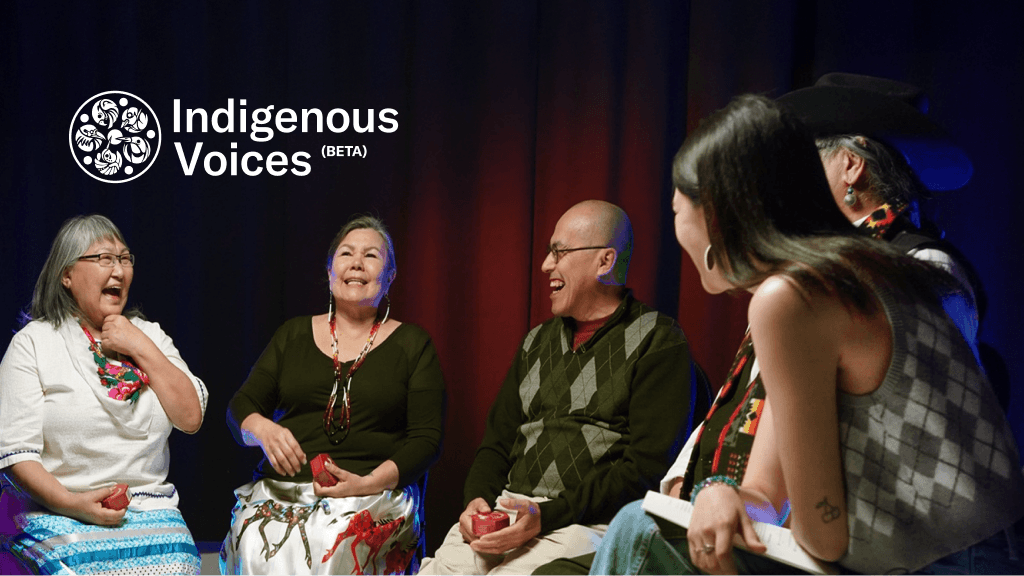
Indigenous Voices is an educational resource produced by the National Film Board of Canada. It offers a series of interactive workshops organized into thematic pathways. Behind this educational resource are Indigenous educators, Elders, and Knowledge Keepers from First Nations, Métis, and Inuit communities across Canada who shaped every part of it, from the very first conversation. Powered by the largest collection of Indigenous-made films in the country, it brings these stories the depth and context they call for. As educators, reconciliation is a shared responsibility—and this classroom-ready resource, open to all, is a meaningful place to begin that journey, or go deeper into it.
This is a featured EXHIBITOR at this year’s OHASSTA annual conference!
- YouTube Playlist: Indigenous Voices on Treaties (2021).
Produced by the Ontario Government in consultation with various Indigenous nations across the province.
This video series features 14 individual interviews with various Indigenous knowledge-keepers from across the province. Each video provides a brief biography and description of the topic as well as appropriate grade-level or audience. This is a way to bring Indigenous voices into the classroom about topics in all of our curricula.

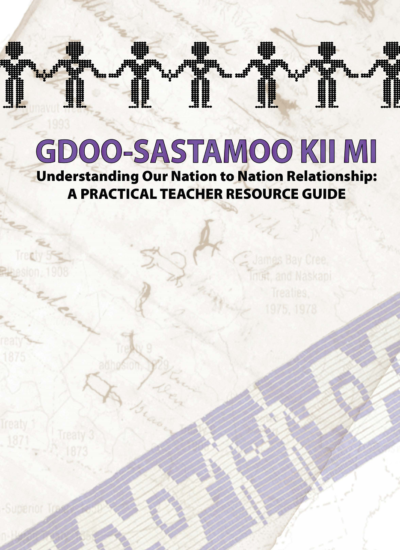
- Educator Guide to Treaties (2018) – Gdoo-Sastamoo kii mi
Author: Anishinaabek Nation
These two educator guides provide teachers with Indigenous knowledge about treaties from an Anishinabek perspective. Available in French and English.
- Exploring Treaties in Ontario is a lesson plan designed to provide a broad overview of Treaties across the province.
- The Cost of Treaties is a lesson plan designed to encourage students to think about the consequences of Treaties on individuals and groups.
- Illustrated and Narrated Book – We are All Treaty People (2018).
Author: Anishinabek Nation
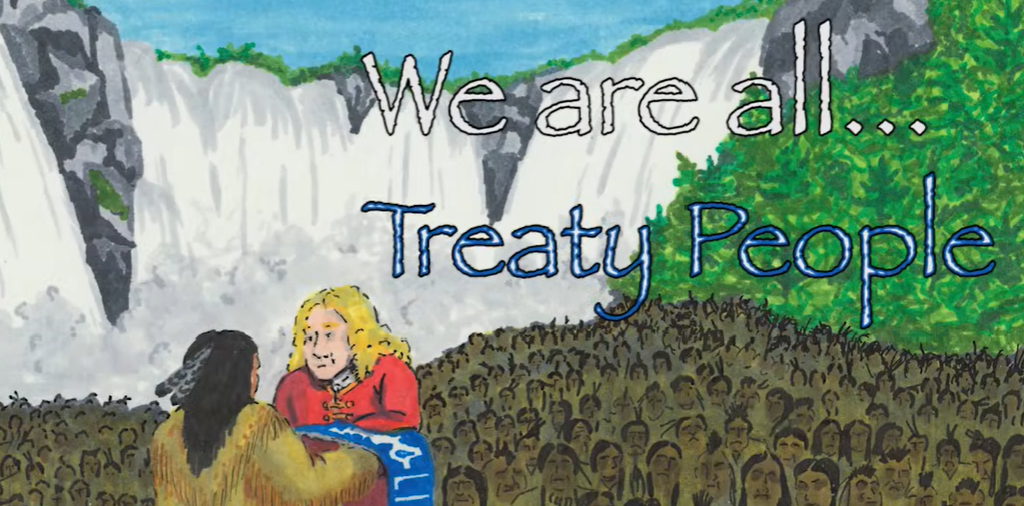
This resource serves as an illustrated history of the Anishinabek Nation and its treaties with other Indigenous groups and colonial governments. Available in both French and English.
English: We Are All Treaty People – Part 1
French: Nous sommes tous des gens issus de traités – Partie 1
- Web Resource: A Treaty Guide for Torontonians
Authors: Talking Treaties Collective (Ange Loft, Victoria Freeman, Martha Stiegman, and Jill Carter)
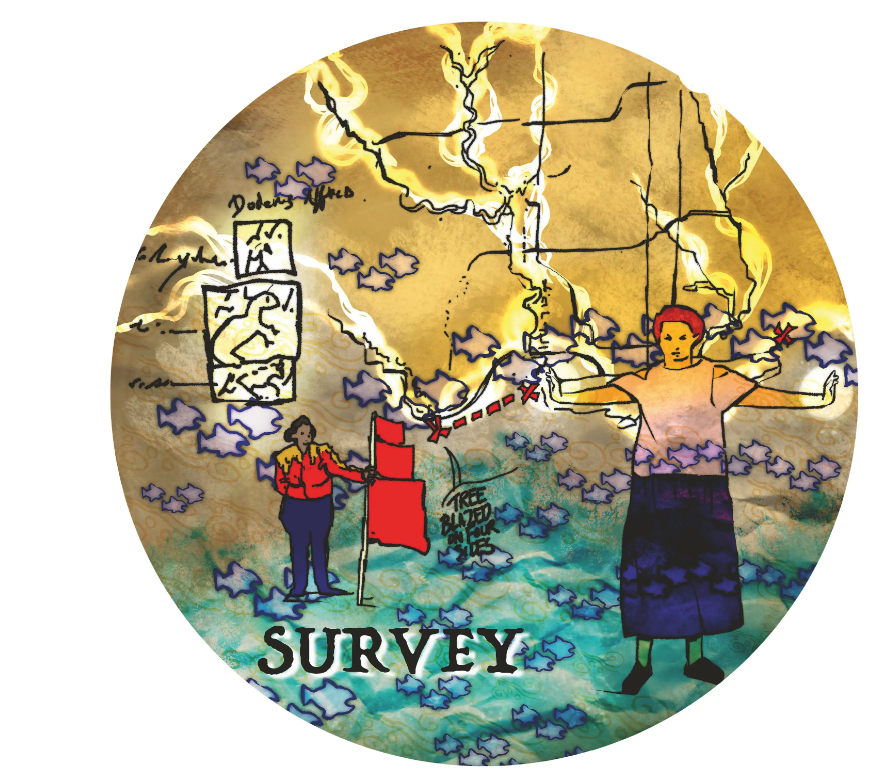
This online resource acts as a supplement to a book in print. The Talking Treaties Collective is a group of Toronto-based artists and activists (both Indigenous and settler) who created this book to educate their fellow Torontonians about the treaties that govern their city. This illustrated book is the final product of a broader arts-based reconciliation project which was the result of much consultation with knowledge-keepers, especially Anishinaabe historian Al Corbiere, Haudenosaunee historian Rick Hill, and Huron-Wendat historian Jean-Philippe Thivierge Specifically the resource highlights and illustrates key treaties which govern the modern-day city of Toronto: The Two Row Wampum & Covenant Chain, The Dish with One Spoon, The Treaty of Niagara and The Toronto “Purchase.”
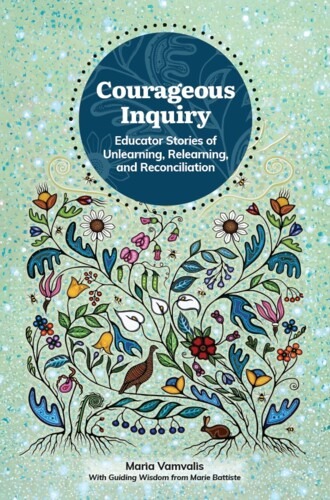
8. Book: Courageous Inquiry: Educator Stories of Unlearning,
Relearning, and Reconciliation (2026)
Author: Maria Vamvalis
Are you wondering where you should go next in your professional development related to Reconciliation? Maria Vamvalis created this resource for practicing teachers to figure out their next best steps in their own professional development. Informed by renowned Mi’kmaq scholar Marie Battiste, this book is specifically for educators in Canada who want to develop their practice. It is grounded in the principles set out in Battiste’s book, Decolonizing Education (2013), but provides the Critical Thinking Consortium’s framework for how this work can be done with tools and prompts that can be used by individuals, departments, schools or entire districts.
This is a featured EXHIBITOR at this year’s OHASSTA annual conference!
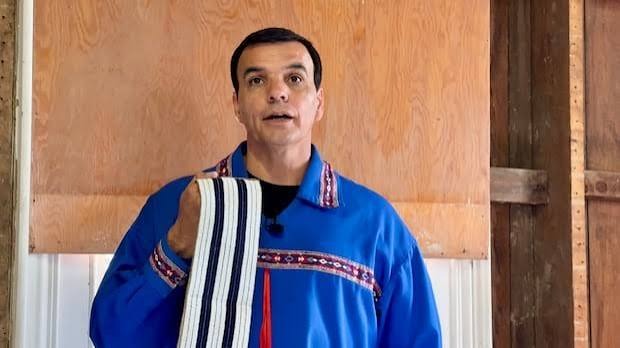
9. Video: Wampum belts: the first treaties in North America (2024)
Author: CBC Indigenous
This video can be used in whole or in part and features Cayuga sub-chief Leroy Hill who discusses the significance of three wampum: the Dish with One Spoon, the Two-Row, and the Chain of Friendship wampum. The video is filmed at the Haudenosaunee Council House in Ohsweken, ON. It also features settler historians who explore how the treaties have been challenged and are currently being contested.
10. Interactive Maps: Map of Ontario treaties and reserves (2026)
Author: Ontario Ministry of Indigenous Affairs
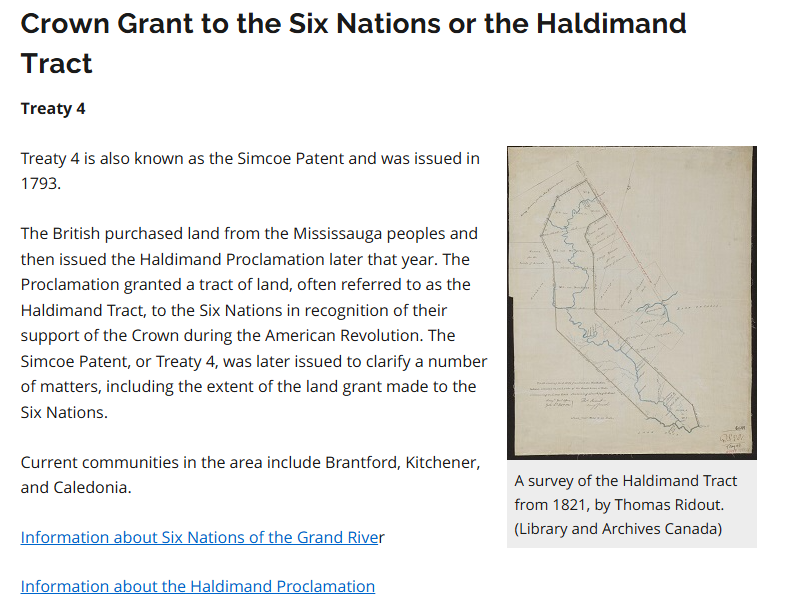
This is a compilation of all the treaties between Indigenous nations and the Crown in Ontario. It includes a search feature to find information geographically or by name. Each treaty is referenced with a short description, and sources like maps, transcripts or images. Here is an example of the Haldimand Tract (1784).